
Are Smart Door Locks Safe? What to Know Before You Buy
Smart door locks are becoming a popular upgrade for homeowners across the U.S., offering key-free entry, remote access, and real-time alerts. But for many shoppers, one question comes first:
Are smart door locks actually safe?
It’s a fair concern. Your front door is the first line of defense for your home, your family, and everything inside. Adding technology to something so critical naturally raises questions about hacking, power outages, reliability, and long-term security.
The good news? When designed and installed correctly, modern smart door locks can be just as safe—often safer—than traditional locks. Here’s what you need to know before buying one.
What Makes a Door Lock “Safe” in the First Place?
Before comparing smart locks to traditional locks, it helps to define what “safe” really means.
A secure door lock should:
- Resist forced entry
- Lock consistently every time
- Hold up to daily use and harsh weather
- Prevent unauthorized access
- Provide reliable access for the people who need it
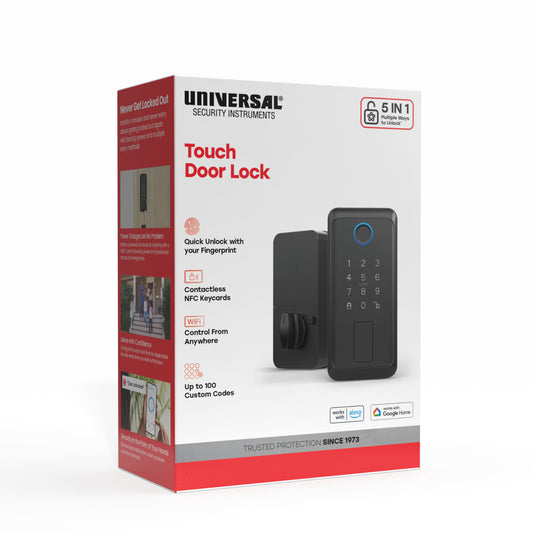
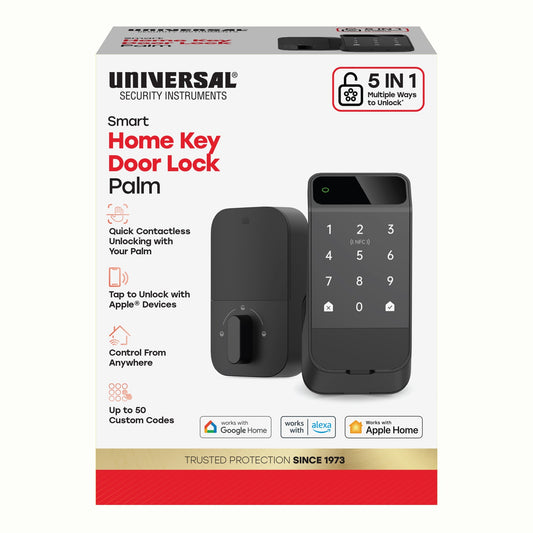
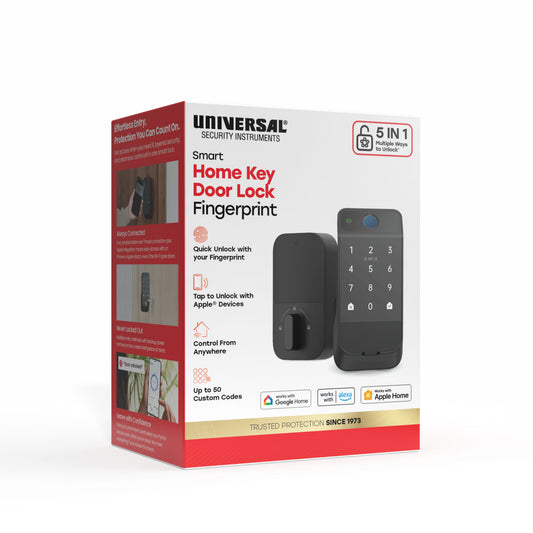
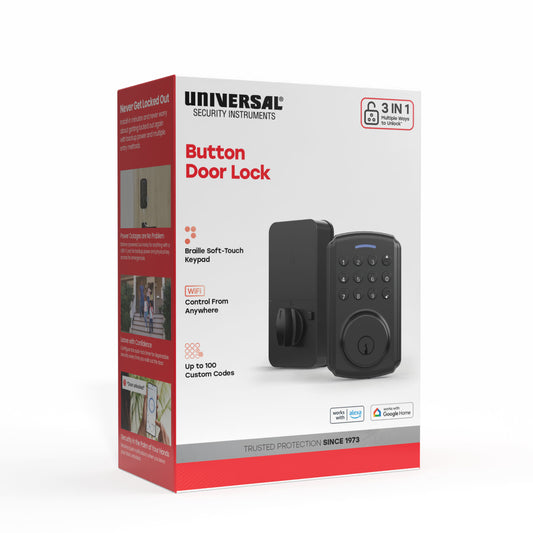
Smart locks don’t replace these fundamentals—they build on them. At their core, quality smart locks, including USI smart door locks, are still physical deadbolts, designed to meet established U.S. security standards.
Are Smart Door Locks More Secure Than Traditional Locks?
In many ways, yes.
Traditional locks rely entirely on physical keys. While familiar, keys come with risks:
- They can be lost or stolen
- Copies can be made without your knowledge
- You may never know who has access
Smart locks reduce these risks by replacing shared keys with controlled, trackable access.
Instead of wondering who might still have a copy of your key, smart locks allow you to:
- Create unique access codes for each user
- Grant temporary or scheduled access
- Remove access instantly without changing the lock
- Receive notifications when your door is unlocked
That added visibility and control is a major security upgrade—especially for families, renters, or shared homes.

Can Smart Locks Be Hacked?
This is one of the most common concerns, and it’s often misunderstood.
Reputable smart lock brands use encrypted communication, similar to online banking or secure mobile apps. This protects data as it travels between the lock, your phone, and connected platforms.
It’s also worth noting:
- Most home break-ins are still physical, not digital
- Criminals are far more likely to kick a door or break a window than attempt a sophisticated cyberattack
- Poorly made locks—not smart technology—are usually the weak point
USI smart locks are designed with both digital and physical security in mind, pairing modern encryption with solid metal construction and reinforced deadbolt mechanisms.
What Happens If the Power Goes Out or Wi-Fi Fails?
Another common fear: What if the lock stops working?
USI Smart locks are designed with redundancy in mind.
Most models include:
- Long-lasting battery power (often 6-8 months per set)
- Low-battery alerts well before failure
- Physical key access as a backup
- Emergency USB-C power options for dead batteries
If your Wi-Fi goes down, the lock still functions locally. You can continue unlocking the door using a keypad, fingerprint, keycard, or physical key. Remote features may pause temporarily, but your door remains secure and usable.
In other words, a smart lock doesn’t stop being a lock just because the internet is out.
Why Physical Build Quality Still Matters
Technology alone doesn’t make a lock secure. Construction plays a major role in safety, especially for homes across different U.S. climates.
When evaluating smart locks, look for:
- Solid metal construction
- Reinforced deadbolt mechanisms
- Weather-resistant designs
- Sealed electronics to prevent moisture damage
A lock that can withstand heat, cold, rain, and daily wear is essential for long-term reliability. This is particularly important for exterior doors exposed to seasonal temperature swings.
Are Multiple Unlock Methods a Security Risk?
At first glance, offering multiple ways to unlock a door—codes, fingerprints, phone access, physical keys—might seem risky. In reality, it’s the opposite.
Multiple access methods provide layered security and flexibility:
- Biometrics reduce the risk of shared credentials
- Codes can be changed or deleted at any time
- Phone access allows remote control and monitoring
- Physical keys serve as a dependable backup
This layered approach ensures you’re never locked out while maintaining control over who can enter. Each method serves a specific purpose, adding flexibility without compromising security.
Smart Lock Safety for Families and Shared Homes
Smart locks are especially valuable for households with multiple users.
They allow homeowners to:
- Know when kids arrive home from school
- Give dog walkers or cleaners temporary access
- Avoid hiding spare keys outside
- Monitor door activity in real time
For families, this visibility translates into peace of mind. Instead of guessing whether the door was locked or who came and went, smart locks provide clear, reliable information.
What About Privacy and Data Security?
Privacy is an important consideration with any connected device.
Most smart locks collect limited data, such as:
- Lock and unlock events
- User access history
- Device status
They do not record audio or video unless a camera is explicitly built into the product.
When choosing a smart lock, it’s important to select a brand that:
- Clearly explains what data is collected
- Uses secure encryption
- Provides regular software updates
- Is backed by a long-standing reputation
USI prioritizes transparency, using secure systems designed to protect user data while keeping homeowners informed.
How Smart Locks Perform in Real-World Conditions
Unlike indoor gadgets, door locks live outside, exposed to rain, dust, heat, and cold.
A reliable smart lock should:
- Function in extreme temperatures
- Resist water intrusion
- Maintain performance year-round
Weather resistance isn’t just about durability—it’s about safety. A lock that fails due to moisture or temperature isn’t secure, no matter how advanced the technology.
What to Look for When Buying a Safe Smart Door Lock
If safety is your top priority, keep this checklist in mind:
- Certified deadbolt strength (ANSI grade)
- Encrypted communication
- Multiple access methods
- Backup entry options
- Weather-resistant construction
- Reliable battery life and alerts
- A reputable brand with proven experience
- Smart locks are an investment in your home’s security. Choosing the right one makes all the difference.
So, Are Smart Door Locks Safe?
When built with quality materials, modern security standards, and thoughtful design, smart door locks are absolutely safe.
In many cases, they offer more protection than traditional locks by:
- Reducing risks associated with lost or copied keys
- Providing visibility into door activity
- Allowing instant control over who has access
- Delivering consistent, reliable locking performance
Smart technology doesn’t replace security—it enhances it. And for today’s connected homes, a smart door lock can be a practical, dependable upgrade that brings both protection and peace of mind.